
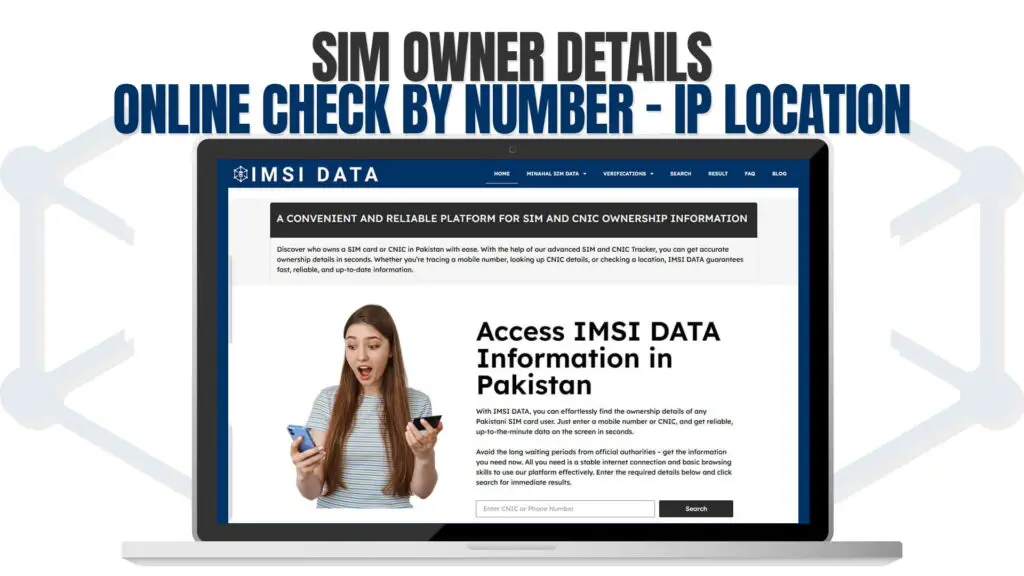
Finding out who owns a mobile phone number has become easier than ever before. Whether you want to verify your own SIM card information or check details about an unknown number, online platforms now offer quick and reliable solutions. This guide will help you understand everything about checking SIM owner details online, how the process works, and why it matters for your safety and security.
What is SIM Owner Information?
SIM owner information refers to the personal details registered against a mobile phone number. When someone buys a SIM card in Pakistan, they must provide their national identity card or CNIC number. The telecom company records this information in their database. This registration links the phone number to a specific person.
The government requires this registration for security reasons. It helps authorities track illegal activities and protects citizens from fraud. Every active mobile number in Pakistan must be registered with valid personal information. This system ensures accountability and helps prevent misuse of mobile services.
Understanding SIM ownership becomes important in many situations. You might receive calls from unknown numbers and want to know who is calling. Sometimes you need to verify that your own number is correctly registered. Business owners often need to confirm customer phone numbers. Parents may want to check if their children’s numbers are properly registered under their guardianship.
Why Check SIM Owner Details Online?
There are many practical reasons to check SIM owner details. First and foremost, it helps protect you from scams and fraudulent activities. When someone calls you claiming to be from a bank or government office, you can verify their number before sharing any personal information.
Unknown callers sometimes harass people through repeated calls or messages. By checking the ownership details, you can identify who is behind these calls. This information helps you decide whether to report the number to authorities or simply block it.
For business purposes, companies often need to verify customer information. When someone provides a phone number during registration, businesses can confirm that the number belongs to the person claiming to own it. This verification prevents fake registrations and ensures better security for online transactions.
People who buy second-hand phones sometimes discover that the previous owner’s SIM is still registered. Checking the details helps new owners understand if they need to get the number re-registered in their name. This prevents future complications and ensures smooth service.
Family members can use these services to ensure their loved ones’ numbers are correctly registered. Parents can verify their children’s numbers, and adult children can help elderly parents check their registration status. This family verification brings peace of mind and better security.
How Does Online SIM Verification Work?
Online SIM verification platforms connect to official telecom databases. These databases store information about every registered mobile number in the country. When you enter a phone number on a verification platform, the system searches through these records to find matching information.
The process happens in seconds. The platform sends your query to the database, retrieves the relevant information, and displays it on your screen. Most reliable platforms use secure connections to protect your privacy during this process.
IMSIData provides access to PTA-approved IMSI data. IMSI stands for International Mobile Subscriber Identity. This unique number identifies each SIM card in a mobile network. Along with IMSI data, the platform can show you CNIC information linked to the number.
The verification process maintains privacy standards. Reliable platforms do not store your search history permanently. They simply act as a bridge between you and the official databases. This ensures that sensitive information remains protected while still allowing necessary verification.
Different telecom operators in Pakistan maintain their own databases. A comprehensive platform like IMSIData can access information across multiple networks. This means you can check numbers from any network operator through a single platform.
Understanding CNIC and SIM Registration
In Pakistan, every SIM card must be registered with a valid CNIC number. The CNIC is a unique identification number issued to every Pakistani citizen aged 18 and above. This registration requirement started several years ago to improve national security and reduce criminal activities involving mobile phones.
When someone buys a new SIM card, the shop verifies their CNIC through biometric verification. This process captures fingerprints and matches them with the national database. Once verified, the SIM card becomes active and linked to that specific CNIC.
Each CNIC holder can register a limited number of SIM cards. The government sets this limit to prevent misuse. If someone exceeds their allowed limit, they must deactivate old numbers before registering new ones. This system helps authorities track mobile usage and prevents criminals from using multiple anonymous numbers.
Sometimes people discover that unknown numbers are registered against their CNIC. This situation can happen through identity theft or fraudulent registration. By regularly checking SIM ownership details, citizens can identify such problems early and take action to protect their identity.
The registration system also includes provisions for corporate numbers and prepaid connections. Companies can register multiple numbers for business use. These registrations follow different procedures but maintain the same security standards.
What Information Can You Find?
When you check SIM owner details online, you typically find several pieces of information. The most basic detail is the network operator providing the service. This tells you whether the number belongs to a specific telecom company.
You can discover the registered owner’s name as it appears in the official records. This helps you identify whether the number belongs to the person claiming to own it. The verification shows the CNIC number linked to that mobile number.
Some platforms provide the registration date, showing when the SIM was first activated. This information helps determine how old the number is and whether it might be a recently obtained number used for temporary purposes.
The system can also show how many SIM cards are registered against a particular CNIC. This detail helps people ensure they are not exceeding their registration limit. It also helps identify if someone else is fraudulently using your identity to register numbers.
Location information associated with the IP address can sometimes be available. While this does not show the current physical location of the phone user, it can provide general geographic information about where the number was registered or frequently used.
Benefits of Using IMSIData Platform
IMSIData offers a reliable and user-friendly platform for checking SIM ownership information. The platform provides access to PTA-approved data, ensuring that all information comes from official and authorized sources. This approval means you can trust the accuracy of the details you receive.
The platform design focuses on simplicity. Even people with limited technical knowledge can navigate the system easily. You simply enter the phone number you want to check and receive results within seconds. No complicated procedures or technical expertise required.
Privacy protection stands as a priority for IMSIData. The platform uses secure connections to protect your searches and personal information. Your queries remain confidential, and the system does not share your search history with third parties.
Accessing the platform requires no special software or downloads. You can use any web browser on your computer or smartphone. This accessibility means you can check SIM details whenever and wherever you need, as long as you have internet access.
The platform maintains updated databases. As registration information changes or new numbers get registered, the system reflects these updates. This real-time accuracy ensures you always receive current information rather than outdated records.
Step-by-Step Guide to Check SIM Owner Details
Checking SIM owner details through IMSIData is straightforward. First, open your web browser and visit the IMSIData platform. The homepage provides a clear search interface designed for easy use.
Locate the search box on the main page. This box accepts mobile phone numbers for verification. Enter the complete phone number you want to check, including the country code if required. Make sure you type the number correctly to get accurate results.
After entering the number, click the search or verify button. The platform processes your request immediately. Within a few seconds, the system retrieves information from the connected databases and prepares your results.
Review the information displayed on your screen. The platform shows owner details, network operator, and other relevant information. Take note of any details you need for your records or future reference.
If you need to check multiple numbers, you can repeat the process. Some platforms allow bulk checking for users who need to verify many numbers at once. This feature particularly benefits businesses that handle customer verification regularly.
Remember to verify information through official channels if you plan to take legal action based on the details you find. While online platforms provide accurate information, official documentation from telecom operators offers additional legal validity when needed.
Safety and Security Considerations
While checking SIM owner details serves many legitimate purposes, it is important to use this information responsibly. Never use someone else’s personal information for harassment, blackmail, or any illegal activity. Respect privacy and use verification services only for legitimate purposes.
Protect your own information by regularly checking what numbers are registered under your CNIC. If you find unauthorized registrations, contact your telecom operator immediately to report the issue. Quick action helps prevent identity theft and potential misuse of your credentials.
Be cautious about sharing your CNIC and fingerprints during SIM registration. Only provide this information at authorized retail outlets operated by legitimate telecom companies. Avoid sharing your CNIC with unknown people who promise cheap SIM cards or special deals.
When using online verification platforms, ensure you are visiting the official website. Scammers sometimes create fake websites that look similar to legitimate platforms. These fake sites may steal your information or spread malware. Always verify the website address before entering any data.
Keep your own SIM card secure. If you lose your phone or SIM card, contact your operator immediately to block the number. This prevents someone else from using your number for illegal activities that could be traced back to you.
Legal Aspects of SIM Registration in Pakistan
The Pakistan Telecommunication Authority regulates all aspects of mobile phone services in the country. PTA has established strict rules for SIM registration to enhance national security and reduce criminal activities involving mobile phones.
According to PTA regulations, every SIM must be registered with biometric verification. This rule applies to both prepaid and postpaid connections. Telecom operators must verify customer identity before activating any new connection.
Using an unregistered SIM card is illegal in Pakistan. Authorities can impose penalties on both the user and the person whose identity was used for fraudulent registration. This legal framework ensures everyone takes SIM registration seriously.
The law allows citizens to check what numbers are registered under their name. This right helps people protect themselves from identity theft. If you discover unauthorized numbers registered with your CNIC, you have the legal right to get them blocked and removed from your record.
Telecom operators must maintain accurate records of all registered numbers. They are legally required to share this information with law enforcement agencies when requested through proper channels. This cooperation helps solve crimes and track illegal activities.
Common Problems and Solutions
Many people face issues with SIM registration at some point. One common problem is discovering that your number is registered under someone else’s name. This can happen when buying a SIM from an unauthorized dealer who used someone else’s CNIC for registration.
The solution involves visiting your nearest telecom operator franchise with your original CNIC. Request them to transfer the number to your name through proper biometric verification. This process usually completes within a few hours or days depending on the operator’s procedures.
Another frequent issue is exceeding the SIM card limit. If you try to register a new number but find that your CNIC already has the maximum allowed connections, you must first deactivate some old numbers. Check which numbers you no longer use and request their deactivation before registering new ones.
Some people discover that unknown numbers appear on their CNIC record. This suggests possible identity theft or fraudulent registration. Immediately contact PTA and your telecom operator to report this issue. Provide proof of your identity and request blocking of unauthorized numbers.
Technical problems sometimes prevent successful verification online. If a platform shows errors or cannot retrieve information, try again after some time. Database updates or technical maintenance might temporarily affect service availability.
Differences Between IMSI, CNIC, and Mobile Number
Understanding the relationship between IMSI, CNIC, and mobile numbers helps you better grasp how verification systems work. Each of these identifiers serves a specific purpose in the mobile network ecosystem.
Your mobile number is what other people use to call or message you. It is the visible identifier that you share with others. This number can be changed or ported to different operators while keeping the same SIM card.
The IMSI is a unique number programmed into your SIM card. It identifies your SIM within the mobile network infrastructure. Even if you change your mobile number, the IMSI remains the same unless you get a new SIM card. Networks use IMSI for routing calls and data to your device.
Your CNIC is your national identity number. It remains constant throughout your life and identifies you as a citizen of Pakistan. The CNIC links to your SIM registration and serves as proof that you are the legitimate owner of the mobile number.
The connection between these three creates a complete identification chain. Your CNIC proves your identity, your IMSI identifies your physical SIM card, and your mobile number is how others reach you. This triple verification system makes the network more secure and accountable.
How Telecom Operators Maintain Databases
Telecom operators invest heavily in maintaining accurate customer databases. These databases store millions of records containing subscriber information, registration details, usage patterns, and billing information.
The registration database specifically tracks which CNIC owns which mobile number. When you register a SIM, the operator creates a permanent record linking your personal information to that number. This record includes your name, father’s name, address, and CNIC number.
Operators update these databases continuously as customers register new numbers, deactivate old ones, or update their information. The systems use secure servers protected by multiple layers of security to prevent unauthorized access or data breaches.
PTA regularly audits these databases to ensure compliance with regulations. Operators must maintain data accuracy and security according to government standards. Failure to comply can result in heavy penalties or license suspension.
The databases connect to the national CNIC database maintained by NADRA. This connection allows real-time verification during SIM registration. When someone provides their CNIC and fingerprints, the system instantly verifies whether the information matches NADRA records.
IP Location and Mobile Tracking
IP location refers to determining the geographic location associated with an Internet Protocol address. When your phone connects to the internet, it receives an IP address from your service provider. This address can reveal general location information about your connection.
However, IP location tracking differs significantly from GPS tracking. An IP address only shows the approximate location of the internet gateway, usually the city or region where your connection originates. It cannot pinpoint your exact street address or real-time movement.
People often confuse IP tracking with mobile number tracking. Checking SIM owner details does not reveal someone’s current physical location. It only shows registration information and ownership details. If you want to find someone’s location, that requires different technologies and often legal authorization.
Law enforcement agencies use proper legal channels to track mobile phone locations during investigations. Telecom operators can provide location data to authorized authorities with appropriate court orders. Regular citizens cannot access real-time location tracking through SIM verification platforms.
Understanding this distinction is important to set realistic expectations. IMSIData and similar platforms provide ownership verification, not location tracking. If someone claims to offer exact location tracking of any mobile number without authorization, they are likely running a scam.
Privacy Concerns and Data Protection
Privacy remains a major concern in the digital age. When you use online verification platforms, you naturally wonder about how your search data gets used and stored. Reputable platforms prioritize user privacy and implement strict data protection measures.
IMSIData does not permanently store your search queries or create profiles of users based on their verification activities. The platform acts as an intermediary, retrieving information from official databases without maintaining long-term records of who searched for what.
However, the information you find about others is sensitive personal data. Use this information responsibly and do not share it publicly or use it for malicious purposes. Respecting others’ privacy while protecting your own creates a safer digital environment for everyone.
The databases containing SIM registration information have strict access controls. Not everyone can query these databases freely. Authorized platforms receive permission from PTA to access this data for legitimate verification purposes. This controlled access prevents widespread misuse of personal information.
When regulations change, platforms must adapt their practices accordingly. Stay informed about your rights regarding personal data. If you believe someone is misusing your information obtained through verification services, you can report the matter to relevant authorities.
Future of SIM Verification in Pakistan
Technology continues evolving, and SIM verification systems advance along with it. Future developments may include more sophisticated biometric verification methods beyond fingerprints. Facial recognition, iris scanning, or voice recognition might become standard registration requirements.
Blockchain technology could revolutionize how registration data gets stored and verified. A blockchain-based system would create an immutable record of SIM ownership that cannot be altered or forged. This technology could eliminate fraudulent registrations and make the entire system more transparent.
Artificial intelligence might help detect unusual patterns in SIM registration and usage. AI systems could identify potential fraud attempts by analyzing registration patterns, such as multiple SIMs registered from the same location within short time periods.
Integration with other identity verification systems could streamline the entire process. Imagine registering a SIM card through a mobile app that automatically verifies your identity using existing digital ID systems. This convenience would maintain security while improving user experience.
Enhanced international cooperation might make cross-border verification possible. As people travel more frequently, systems that can verify foreign SIM cards while protecting user privacy would become increasingly valuable.
Tips for Protecting Your Mobile Identity
Taking proactive steps to protect your mobile identity prevents many problems before they start. Regularly check what numbers are registered under your CNIC, at least once every few months. This habit helps you catch unauthorized registrations early.
Never share your CNIC, fingerprints, or other personal information with people you do not trust completely. Some fraudsters collect CNICs from unsuspecting people to register illegal SIM cards. Guard your personal information as carefully as you would guard your bank account details.
When buying a new SIM card, insist on registering it yourself with your own biometric verification. Do not accept pre-registered SIMs or let someone else register a number that you will use. Personal registration ensures the SIM legally belongs to you from the start.
If you sell your phone or give away an old SIM card, make sure to deactivate the number first. Contact your operator to properly close the connection rather than just throwing away the SIM. This prevents the old number from remaining active and potentially being misused.
Keep records of your registered phone numbers and their activation dates. This documentation helps if you need to prove ownership or report a problem to authorities. Simple notes in a secure place can save time and trouble later.
How Businesses Use SIM Verification
Companies across various industries rely on SIM verification for different purposes. Banks and financial institutions verify customer phone numbers during account opening and transaction authentication. This verification prevents fraudsters from using fake numbers to access accounts.
E-commerce platforms confirm customer contact details before processing orders or deliveries. Verification reduces failed deliveries caused by wrong phone numbers and helps prevent fraud in online shopping.
Service providers like utility companies, internet providers, and cable TV operators verify customer identities through SIM registration checks. This process ensures accurate billing and prevents service theft through fake registrations.
Real estate agencies sometimes verify tenant phone numbers before finalizing rental agreements. This verification helps landlords contact tenants reliably and adds a layer of security to rental transactions.
Educational institutions may verify student and parent contact numbers for emergency communication purposes. Accurate contact information ensures schools can reach families quickly when needed.
You can check SIM owner details by visiting IMSIData and entering the mobile number in the search box. The platform accesses PTA-approved databases to show you registration information including owner name, CNIC number, and network operator. The process takes just seconds and requires no special technical knowledge.
Yes, checking SIM registration information through authorized platforms is legal in Pakistan. PTA allows citizens to verify number ownership for security and verification purposes. However, you must use this information responsibly and not for harassment, fraud, or other illegal activities. The information should only be used for legitimate verification needs.
No, SIM verification platforms show ownership and registration details but cannot track real-time location. IP location information may show general geographic data about where a number was registered, but this is different from GPS tracking. Only law enforcement agencies with proper legal authorization can track exact mobile locations.
If you discover unauthorized SIM cards registered with your CNIC, immediately contact your telecom operator and file a complaint with PTA. Request blocking and removal of these unauthorized numbers from your record. You may need to visit the operator’s franchise with your original CNIC to complete the process and protect your identity.
The government sets limits on how many SIM cards one person can register under their CNIC. This limit can vary based on government policies. If you reach your limit, you must deactivate old numbers before registering new ones. You can check how many numbers are currently registered under your CNIC through verification platforms like IMSIData.
Conclusion
Understanding how to check SIM owner details online empowers you with knowledge and tools to protect yourself in the digital age. Platforms like IMSIData provide easy access to PTA-approved information that helps verify mobile number ownership and maintain security.
Whether you want to identify unknown callers, verify your own registration status, or ensure your identity has not been misused, online verification platforms offer quick and reliable solutions. The process is simple, secure, and accessible to everyone with internet access.
Remember to use these verification tools responsibly and respect others’ privacy. Check your own registration regularly, protect your personal information, and take immediate action if you discover any unauthorized activity. These simple steps keep you safe and help maintain the integrity of Pakistan’s mobile telecommunications system.
Visit IMSIData to access comprehensive SIM verification services built on official, PTA-approved databases. The platform combines reliability, ease of use, and security to give you peace of mind about your mobile connections.